Mental Health Awareness Month
Awareness Leads to Compassion


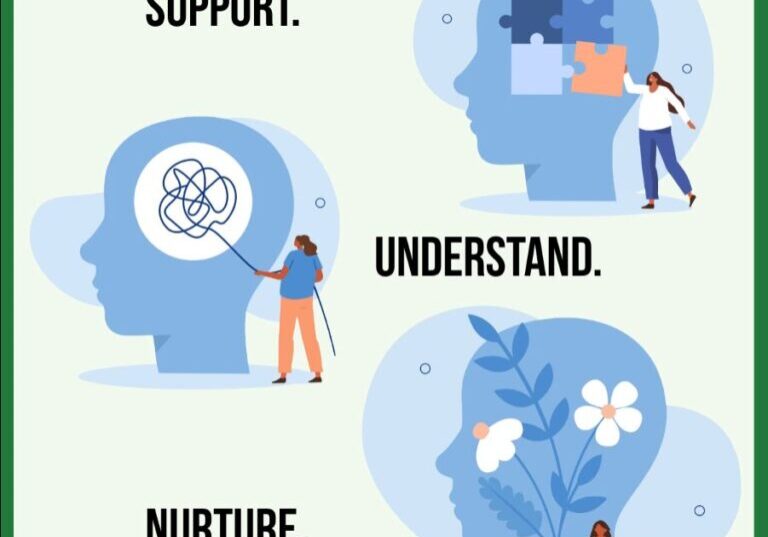
Sometimes the most important step is listening. Taking time to listen to the concerns of a person in your life can help them feel safe sharing what they’re experiencing. #MHAM2026 #MentalHealthAwarenessMonth
- Mental illnesses are medical conditions involving changes in emotion, appetite, thinking, or behavior that can affect daily functioning.
- Economic instability, housing insecurity, unemployment, and limited access to healthcare can increase stress and worsen mental health conditions.
- Chronic stress related to financial hardship or unstable housing can contribute to the development or worsening of serious mental illness.
- Early support, including access to stable housing, employment assistance, healthcare, and community programs, improves long-term stability and well-being.
- When people feel respected and understood, they are more likely to seek care and remain connected to services.
Early Support Matters


Supporting youth mental health is a shared responsibility. Families, schools, healthcare providers, and communities all play a role in early identification and support. #MHAM2026 #MentalHealthAwarenessMonth
- Parents and caregivers are often the first to notice changes. Paying attention to patterns, having open conversations, and connecting children and teens to support early can make a meaningful difference.
- Changes in mood, sleep, appetite, thinking, or behavior may signal the need for support.
- Exposure to trauma can affect long-term mental health.
- Community awareness strengthens early identification and support.
- Young people thrive when support comes early. Asking for help on behalf of a child, teen, or young adult is an act of protection and advocacy.
Words Matter and Words Can Heal


Respectful communication about mental health is especially important during times of transition, including housing instability or reentry into the community. Compassionate words signal safety when people need it most. #MHAM2026 #MentalHealthAwarenessMonth
- Language that recognizes the whole person helps people feel respected and valued.
- When we choose our words thoughtfully, we create space for connection to care.
- Respectful communication is especially important during times of transition, including housing instability or reentry into the community.
- Coordinated, compassionate support helps reduce disruptions in care.
- Trust grows through clear and thoughtful conversation.
Supporting Loved Ones: Connection Is a Powerful Form of Care


Healing from mental health and substance use issues is not just the absence of symptoms. It is a stable home, meaningful connection, and the tools to move forward. That is the promise of whole-person care. #MHAM2026 #MentalHealthAwarenessMonth
- Feeling heard and respected can be deeply supportive. Listening with compassion makes a difference.
- When someone you love is living with a serious mental illness, steady presence and compassion matter most.
- Maintaining healthy, clear boundaries protects both you and your loved one.
- Caring for yourself matters. Seeking support when you need it helps you show up with steadiness and compassion.